
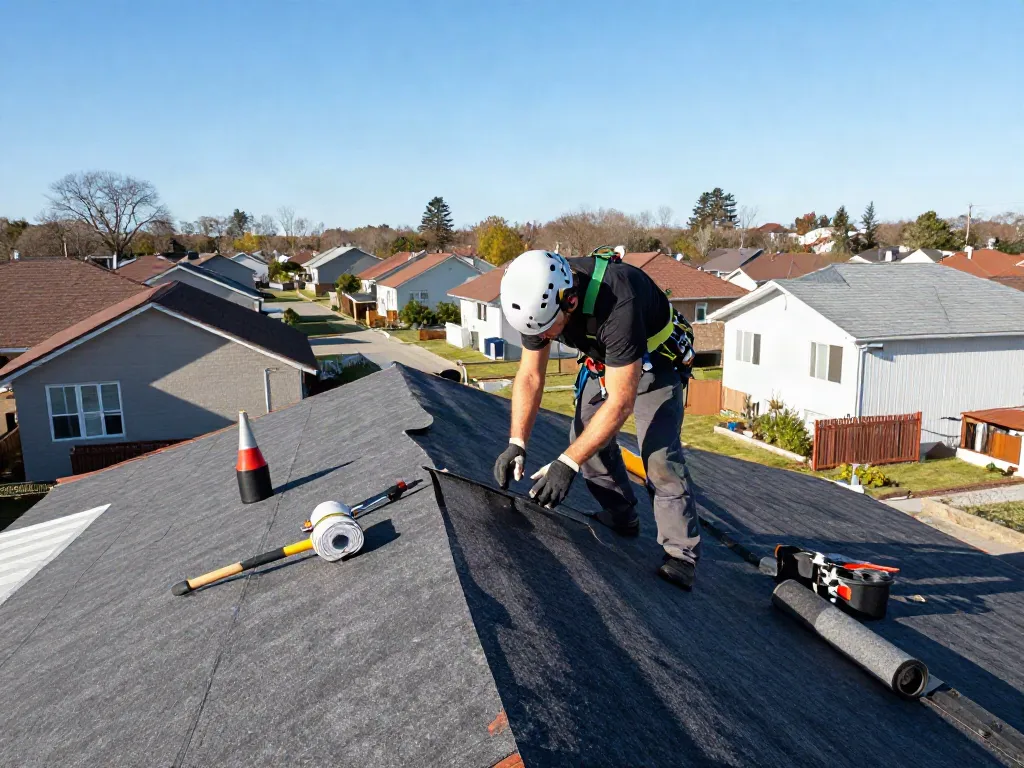
Understanding the Importance of a Felt Roof
Felt roofing is a popular choice for many homeowners, particularly for flat and low-pitched roofs, due to its affordability and effectiveness. As one of the most reliable roofing materials available, felt roofing systems protect properties from harsh weather conditions, including rain, snow, and UV rays. When exploring options, felt roof solutions provide comprehensive insights into reliable roofing, thereby ensuring long-lasting durability and serviceability.
What is a felt roof?
A felt roof, also known as built-up roofing or bitumen roofing, consists of several layers of strong, waterproof materials that prevent water ingress. These systems are typically composed of fiberglass or polyester sheets coated in bitumen, which is a sticky form of asphalt. Installing a felt roof is generally less expensive than other materials, making it an attractive option for garages, extensions, and other structures.
Benefits of modern felt roofing systems
- Durability: Modern felt roofing systems are designed to withstand various weather conditions, proving resistant to UV radiation and extreme temperatures.
- Affordability: Felt roofs are generally more cost-effective than other roofing materials, offering a budget-friendly option for homeowners.
- Lightweight: Felt roofing is lighter than many alternatives, making it easier to install and requiring less structural support.
- Minimal maintenance: With proper installation and care, felt roofs can last for decades with minimal upkeep.
How felt roofing compares to other materials
Felt roofing offers several advantages compared to other roofing materials, such as tiles or metal. While tile roofs can be visually appealing and provide excellent insulation, they are often more expensive and labor-intensive to install. Metal roofs, on the other hand, can be durable but may not offer the same level of insulation as felt roofing. Moreover, felt roofing systems are easier to repair or replace, providing homeowners with a more straightforward solution. In conclusion, felt roofs offer an efficient balance between cost-effectiveness, easy installation, and long-term reliability compared to their counterparts.
Common Challenges with Felt Roof Installation
While felt roofing systems are advantageous, there are challenges associated with their installation. Understanding these challenges can help ensure a successful roofing project and a lasting solution.
Identifying common flaws in felt roofing
Common issues that can occur include incomplete sealing, which may lead to leaks, or poor installation that results in blisters or tears. These flaws can arise from inexperienced contractors or substandard materials. Regular inspections can help detect such problems early, allowing for timely repairs.
Preparing your home for felt roofing installation
Proper preparation is crucial to ensure the longevity of a felt roof. Homeowners should clear the workspace of debris and ensure that the existing roof structure is sound. This may involve addressing any underlying issues, such as rot or damage to the wooden decking, to prevent future complications.
How to choose the right roofing contractor
Selecting the right roofing contractor is essential for a successful installation. Homeowners should look for licensed and insured professionals with good reputations, proven track records, and relevant experience in installing felt roofing systems. Getting multiple quotes and checking references can also be beneficial in making an informed decision.
Maintenance and Care for Your Felt Roof
Ensuring the longevity of a felt roof requires regular maintenance and attention to detail. By following best practices, homeowners can prolong the life of their roofing system and avoid expensive repairs.
Best practices for prolonging the life of your felt roof
- Regular inspections: Homeowners should inspect their roofs at least twice a year for signs of wear or damage, addressing any issues promptly.
- Clear debris: Keeping the roof free from leaves, branches, and other debris will prevent moisture buildup and extend the life of the roofing materials.
- Maintain drainage: Ensure that gutters and downspouts are clear and functional to prevent water pooling on the roof.
Signs your felt roof needs repairs
Homeowners should watch for signs that their felt roof may require attention. Common indicators include visible tears, bubbling or blistering, and leaks inside the home. Any unexplained water damage, discoloration, or sagging areas on the roof may also signal a need for repairs.
How to handle felt roof leaks effectively
Addressing leaks promptly can save homeowners significant costs down the line. Temporary solutions, such as applying a waterproof patch or sealant, can provide immediate relief. However, for long-term fixes, it’s crucial to consult with a professional roofer who can diagnose the underlying cause and recommend the best course of action.
Comparing Quotes from Local Roofing Specialists
When it comes to roofing projects, securing multiple quotes can provide homeowners with valuable insights into pricing and options. Understanding the nuances of each quote will better prepare you to make an informed choice.
Why getting multiple quotes is beneficial
Obtain at least three quotes before selecting a contractor. This will allow homeowners to compare prices, materials, and timelines, ensuring they choose a contractor that aligns with their budget and quality expectations. Different contractors may offer varying approaches and ideas for the roofing project.
What to look for in a roofing quote
Homeowners should closely analyze each quote for details regarding material specifications, labor costs, and timelines. Ensure that the quotes include comprehensive terms and conditions to avoid hidden costs. A well-detailed quote will often include a breakdown of labor, materials, and any warranties offered.
Understanding roofing warranties and guarantees
Warranties can vary significantly between contractors and materials. Homeowners should seek a clear understanding of the warranty terms, including what is covered and the duration, to ensure they are adequately protected in case of defects or issues arising post-installation.
Future Trends in Felt Roofing
As technology and consumer preferences evolve, so too do the materials and practices associated with felt roofing. Understanding future trends can help homeowners stay informed about the best possible options for their roofs.
Emerging technologies in roofing materials
Innovations in roofing materials continue to emerge, with trends pointing toward more sustainable, energy-efficient options. Advancements in membranes and coatings can improve the longevity and performance of felt roofing, making it increasingly appealing to homeowners looking for environmentally friendly options.
Sustainability in roofing practices
Sustainability is becoming a significant driver in roofing decisions. This includes using recycled materials in roofing systems, as well as methods that minimize waste and energy consumption during installation. Homeowners may increasingly look for contractors who prioritize sustainable practices in their work.
Consumer preferences influencing roofing decisions in 2026
As the roofing market becomes more competitive, consumer preferences will likely shift toward transparency, quality, and sustainability. Homeowners will prioritize contractors who can demonstrate both experience and a commitment to using high-quality materials that contribute to long-lasting roofing solutions.
What are the disadvantages of felt roofing?
While felt roofing has numerous advantages, it's also essential to consider its disadvantages. Felt roofs can be prone to punctures and damage if not properly maintained. Additionally, if the underlying structure is not adequately prepared, moisture issues can arise over time, leading to more significant problems.
Is roofing felt 100% waterproof?
Roofing felt is water-resistant but not entirely waterproof. In some scenarios, water can penetrate seams or areas of damage if the felt is compromised. Proper installation and maintenance are critical in ensuring that the roof remains effective against leaks.
How long does a felt roof last?
A well-installed felt roof can last anywhere from 10 to 20 years, depending on the quality of the materials used and the local climate conditions. Regular maintenance extends the life of the roof, ensuring that small issues do not lead to significant damage.
What do roofers use instead of felt?
Alternatives to felt roofing include EPDM rubber, TPO (thermoplastic olefin), and PVC membranes. Each material has its strengths and weaknesses, making it essential for homeowners to discuss options with their contractors to determine the best fit for their specific roofing needs.
Felt roof installation process?
The installation process for felt roofing involves several key steps. First, the existing roof must be assessed for damage and prepared. Next, the felt is rolled out in layers, ensuring proper alignment and sealing. Finally, finishing touches are applied to ensure a waterproof and aesthetically pleasing finish.