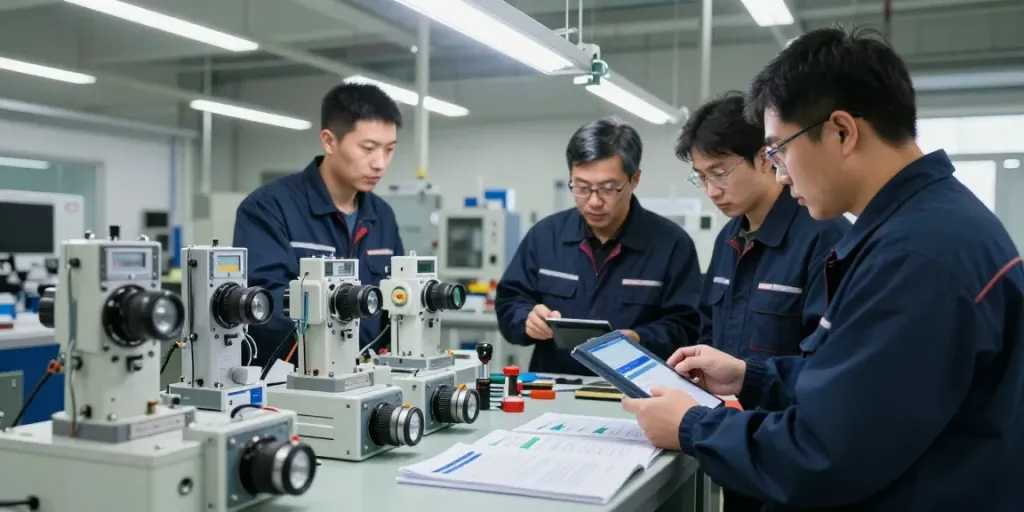
Understanding Mechanical Vacuum Switches
Mechanical vacuum switches are essential devices in various industrial automation processes, offering reliable performance for monitoring and controlling vacuum conditions. They activate or deactivate electrical or mechanical circuits when a specific vacuum level is reached, making them invaluable in applications ranging from HVAC systems to manufacturing machinery. Understanding the intricacies of these switches can significantly enhance operational efficiency and safety in industrial environments. When exploring options, mechanical vacuum switch solutions from LEFOO stand out due to their robust design and precise functionalities.
What is a Mechanical Vacuum Switch?
A mechanical vacuum switch is an electromechanical device designed to detect and respond to changes in vacuum pressure within a system. These switches utilize mechanical components such as diaphragms, springs, and levers to monitor vacuum levels and control the operation of attached electrical circuits. When the predefined vacuum threshold is achieved, the switch actuates, typically closing or opening a circuit to signal an external system or execute a specific function.
Key Components and Functionality
The primary components of a mechanical vacuum switch include:
- Diaphragm: The diaphragm is the sensitive component that responds to vacuum pressure changes. It flexes under varying pressure levels, triggering the switch mechanism.
- Electrical Contacts: These contacts close or open the electrical circuit based on the diaphragm's position, allowing or interrupting the flow of current.
- Adjustment Mechanism: Mechanical vacuum switches often feature an adjustable setting to define the activation point, allowing for customization to specific applications.
These components work in unison to provide accurate detection and switching capabilities, crucial for maintaining desired operational conditions in various applications.
Applications in Industrial Automation
Mechanical vacuum switches find a wide array of applications across various industries. Some notable uses include:
- HVAC Systems: Used for controlling compressor operations based on vacuum levels to optimize efficiency and prevent damage.
- Packaging Machinery: Ensuring consistent vacuum levels for sealing processes in food and pharmaceutical packaging.
- Industrial Equipment: Monitoring vacuum conditions in processes such as filtration and drying, where precise pressure control is critical.
This versatility makes mechanical vacuum switches a preferred choice in automation, where reliability and performance are paramount.
Benefits of Using Mechanical Vacuum Switches
Reliability and Durability in Harsh Conditions
One of the standout advantages of mechanical vacuum switches is their robust construction. Typically made from durable materials like stainless steel, these switches can withstand harsh environmental conditions, including extreme temperatures, moisture, and corrosive substances. Their mechanical nature offers reliability without the susceptibility to the electronic failures often seen in electronic counterparts.
Cost Efficiency and Maintenance Considerations
Mechanical vacuum switches inherently have a lower total ownership cost due to their simple design and lack of electronic components. They require minimal maintenance, with most issues arising from wear and tear rather than complex electronic failures. Their straightforward installation process also reduces labor costs, making them economically attractive for businesses looking to optimize their operational budgets.
Comparison with Electronic Alternatives
While electronic vacuum switches offer advanced features such as digital readouts and remote monitoring capabilities, mechanical vacuum switches excel in environments where simplicity and robustness are required. They are often preferred in applications where electronic failure could lead to significant safety hazards or operational downtime. The choice between mechanical and electronic switches should be based on the specific requirements of the application, including budget, environmental conditions, and desired functionality.
Calibration and Installation Best Practices
Step-by-Step Calibration Procedure
Calibrating a mechanical vacuum switch ensures accurate operation. Follow these general steps:
- Identify the desired vacuum level for operation.
- Locate the adjustment screw typically found on the switch.
- Using a vacuum gauge, adjust the set point by turning the screw until the switch activates at the desired level.
- Verify the calibration by testing the switch at various levels around the set point.
This careful calibration process enhances the switch's reliability and accuracy in monitoring vacuum levels.
Installation Tips for Optimal Performance
Proper installation is crucial for the effective operation of mechanical vacuum switches. Here are several tips to consider:
- Choose the Right Location: Install the switch in a location that minimizes exposure to contaminants and vibrations.
- Use Proper Sealing: Ensure all connections are sealed to prevent leaks that could affect performance.
- Follow Manufacturer Guidelines: Always refer to the manufacturer's installation instructions for specific requirements regarding mounting and orientation.
Common Mistakes to Avoid
When installing or calibrating mechanical vacuum switches, avoid these common pitfalls:
- Neglecting Environmental Factors: Failing to consider temperature and humidity can lead to inaccurate readings.
- Incorrect Calibration: Not calibrating the switch can result in operational inefficiency and potential system failure.
- Over-tightening Connections: This can damage components or cause leaks; always follow specified torque settings.
Innovative Features in Modern Mechanical Vacuum Switches
Advanced Safety Features and Certifications
Modern mechanical vacuum switches increasingly incorporate advanced safety features such as:
- Fail-Safe Options: Many models are designed to revert to a safe state in case of failure.
- Certifications: Look for switches that meet industry standards such as ATEX for hazardous environments.
Integration with Automation Systems
Today's mechanical vacuum switches can be easily integrated into automated systems. This integration allows for real-time monitoring and control, enhancing system efficiency and safety. They can be connected to PLCs (Programmable Logic Controllers) for automated responses, creating a seamless interface within production environments.
Future Trends in Vacuum Switch Technologies
As technology advances, the future of mechanical vacuum switches looks promising. Trends include:
- Enhanced Material Use: Development of newer materials that improve durability while reducing weight.
- Smart Features: Incorporation of IoT capabilities for remote monitoring and analytics.
- Environmentally Friendly Designs: Increased emphasis on sustainable manufacturing processes and materials.
Frequently Asked Questions
What is a vacuum switch used for?
A vacuum switch is primarily used to monitor and control vacuum levels in various systems, ensuring optimal performance and safety.
Is a vacuum switch the same as a pressure switch?
While a vacuum switch is specifically designed to monitor negative pressure (vacuum), a pressure switch monitors positive pressure. Both serve similar functions in their respective environments but operate under different conditions.
Can you run equipment without a vacuum switch?
Running equipment without a vacuum switch is not recommended as it can lead to system failures or unsafe operational conditions. Vacuum switches are critical for maintaining correct pressure levels.
What maintenance do mechanical vacuum switches require?
Mechanical vacuum switches require minimal maintenance, primarily periodic calibration checks and visual inspections for wear or damage. Ensuring tight connections and checking for leaks can prolong their lifespan.
How do you choose the right vacuum switch for your application?
When selecting a vacuum switch, consider the specific vacuum range, environmental conditions, and compatibility with existing systems. Evaluate features such as adjustability, durability, and safety certifications to find the best fit for your needs.